In Malaysia, many people are familiar with iconic national industries automotive manufacturing, large oil and gas corporations such as PETRONAS, and major infrastructure development. However, far fewer truly understand the scale, contribution, and transformation of the oil palm sector, despite it being one of the country’s most important economic pillars.
Not many people realise that Malaysia is the second-largest oil palm producer globally, and a global leader in certified sustainable palm oil production. Oil palm has played a foundational role in national development supporting rural livelihoods, contributing to export earnings, and supplying essential inputs for food systems, pharmaceuticals, personal care products, and countless household goods used worldwide.
Yet, the broader story of oil palm is often reduced to simplified narratives, detached from historical context and current realities. Few are aware of how Malaysia built its oil palm industry from the ground up, including the transition of major plantation assets such as the evolution of Sime Darby from British ownership into a Malaysian-led global enterprise. This journey reflects how the country moved beyond colonial economic structures and developed one of the most efficient agricultural systems in the world.
Oil palm tourism offers a powerful way to bridge this knowledge gap. By opening plantation landscapes, research centres, and sustainability showcases to the public, tourism allows people to see, experience, and evaluate the industry based on evidence rather than assumptions. For many outsiders, negative perceptions of oil palm are formed without ever setting foot in an oil palm landscape or engaging with those working to improve its sustainability performance.
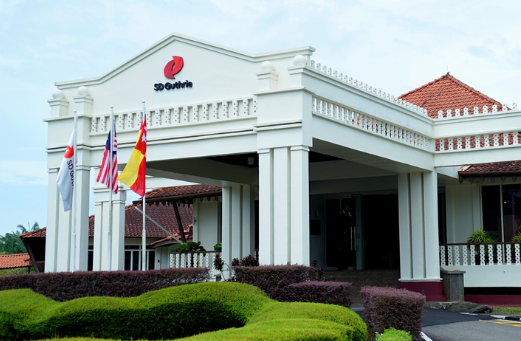
Through oil palm tourism, visitors can witness firsthand how the industry is evolving, improving, and responding to environmental and social challenges from biodiversity initiatives and waste management to research-driven sustainability practices. Places such as SD Guthrie EcoGardens Sdn Bhd provide an opportunity to explore the corporate oil palm journey, combining historical narratives with contemporary sustainability practices in an accessible tourism setting.
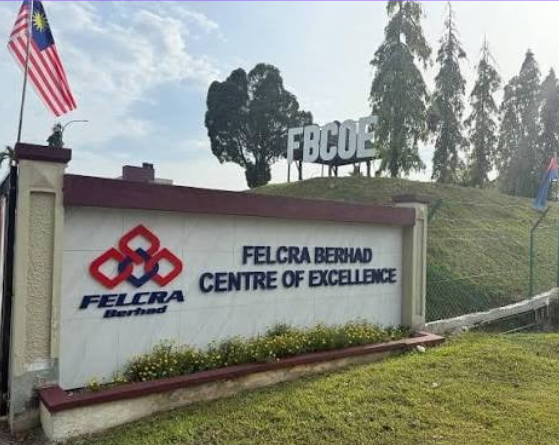
At the same time, research-oriented destinations such as FELCRA Berhad (Research & Development) offer deeper insight into applied science, innovation, and continuous improvement within oil palm landscapes. These environments allow students, researchers, and professionals to engage directly with real-world sustainability challenges and solutions.
Oil palm tourism does not ask visitors to accept one narrative over another. Instead, it invites them to observe, question, and learn. Ultimately, each person may decide their own position, but meaningful understanding can only come from seeing the reality on the ground. By connecting people to evidence, history, and lived experience, oil palm tourism encourages appreciation grounded in knowledge rather than blame without proof.
I remain committed to supporting research, education, and knowledge-driven initiatives within oil palm landscapes, as these efforts contribute to continuous sustainability improvement and the development of credible carbon assessment and enhancement opportunities. Through informed engagement and on-the-ground learning, oil palm tourism can complement broader efforts in climate mitigation, carbon accounting, and responsible land-use management.
-Noraini Ruslan 1st January 2026-
Reference:
Ruslan, N et al. 2025. Transforming Agricultural Policy Into Practice: Oil Palm Ecotourism As A Catalyst For Agricultural Sustainability Learning In Malaysia | International Journal of Environmental Sciences