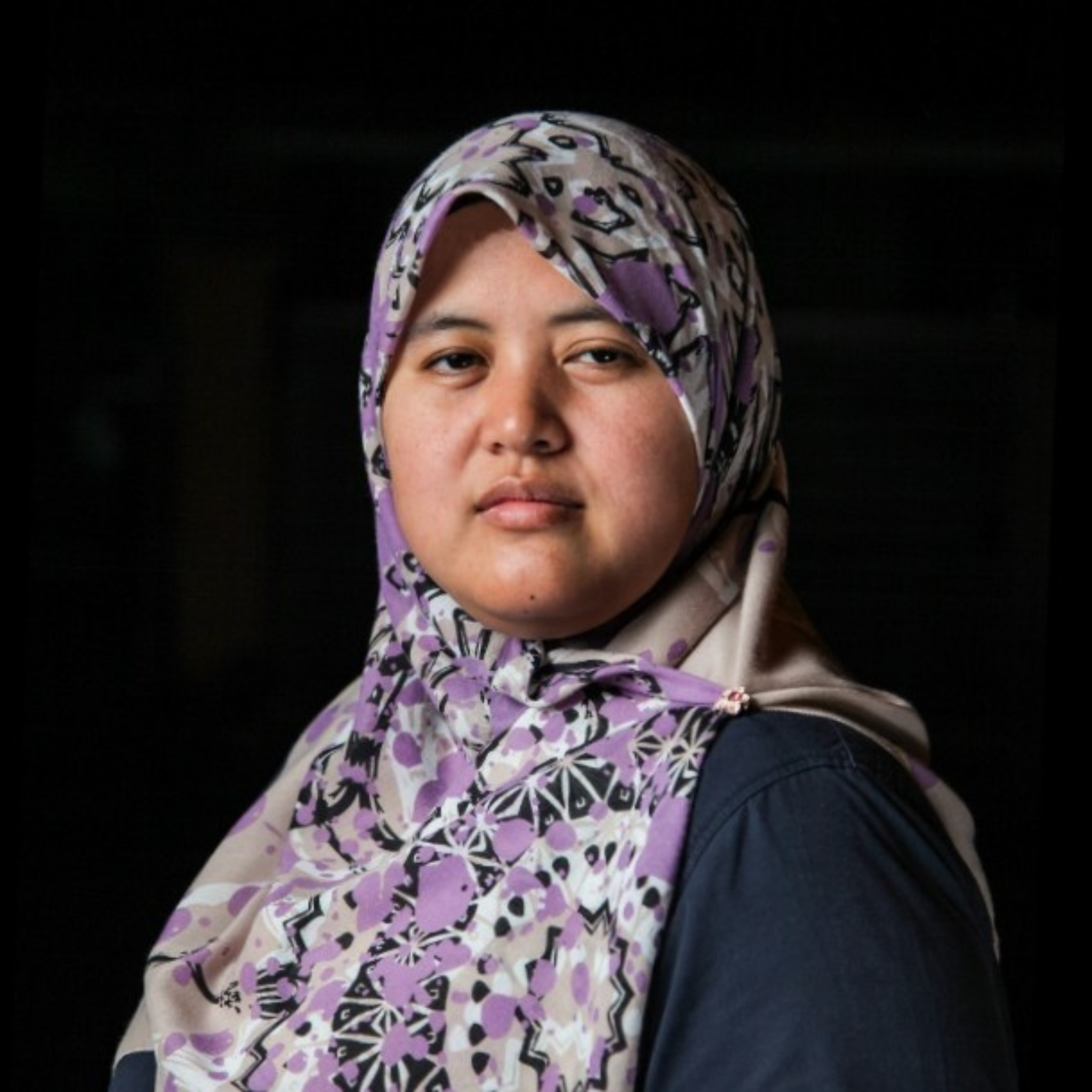
Environmental education is a fundamental pillar in developing future environmental leaders and practitioners who are capable of protecting natural ecosystems while supporting sustainable economic growth. As environmental challenges become more complex ranging from climate change and biodiversity loss to resource efficiency and sustainability compliance there is an increasing need for education that produces individuals who are not only environmentally aware, but also technically competent, solution-oriented, and industry-ready.
I believe environmental education must move beyond theory and awareness. It should be applied, experiential, and connected to real-world systems, enabling learners to understand how environmental protection, economic activities, and governance intersect. By exposing students and young professionals early to scientific assessment, field-based monitoring, sustainability frameworks, and industry practices, environmental education becomes a powerful tool for long-term environmental stewardship, workforce development, and national resilience.
My work in environmental education focuses on building practical capacity and meaningful engagement, particularly among youth and early-career participants, through structured programs that link science, sustainability, and industry exposure.
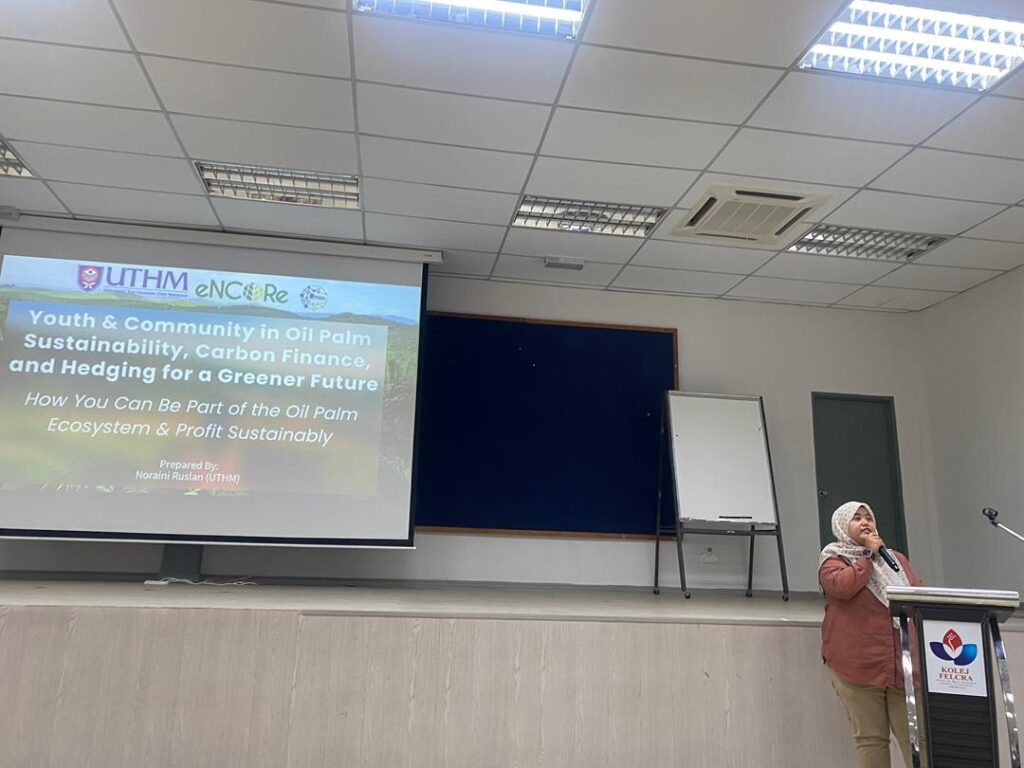
One of the key initiatives is OPSENET (Oil Palm Sustainability Education Network), a platform designed to strengthen education, skills development, and sustainability awareness within oil palm landscapes. OPSENET emphasizes the role of youth, educators, and industry players in advancing more responsible oil palm practices through knowledge sharing, applied learning, and collaboration.
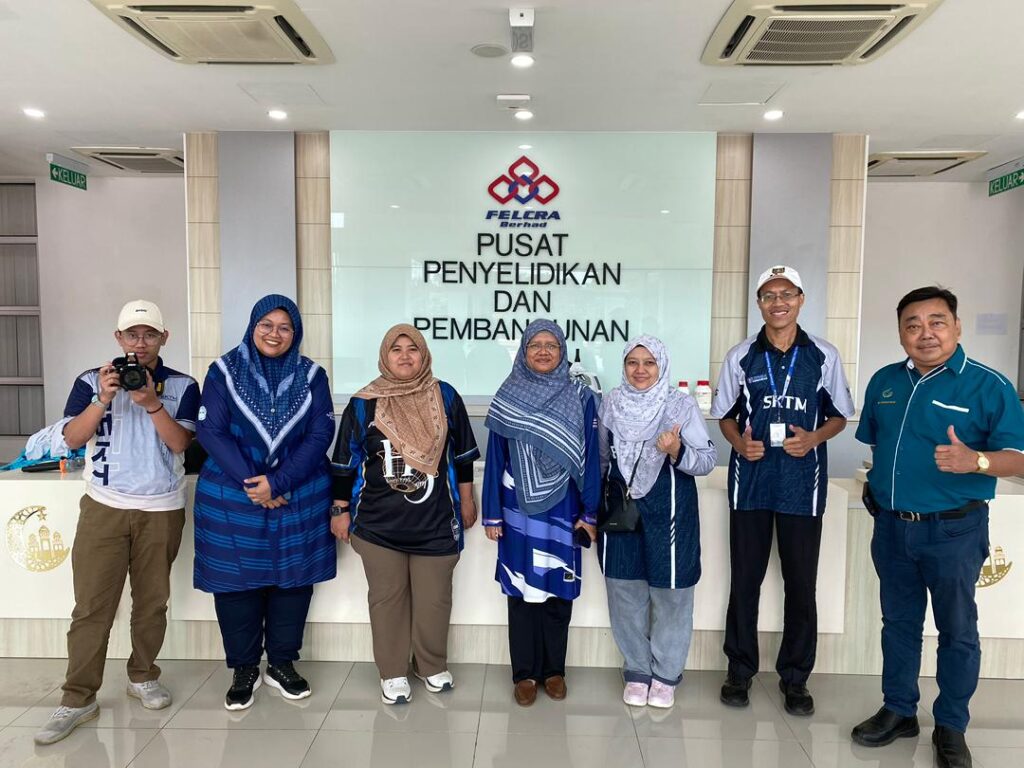
Through OPSENET, collaborations have been established with FELCRA Berhad (Research & Development), SD Guthrie EcoGardens Sdn Bhd, SSEW Technology Sdn Bhd, and Kolej FELCRA Berhad. These collaborations enable participants to gain exposure to real sustainability challenges, industry perspectives, and applied solutions bridging the gap between education, research, and practice.
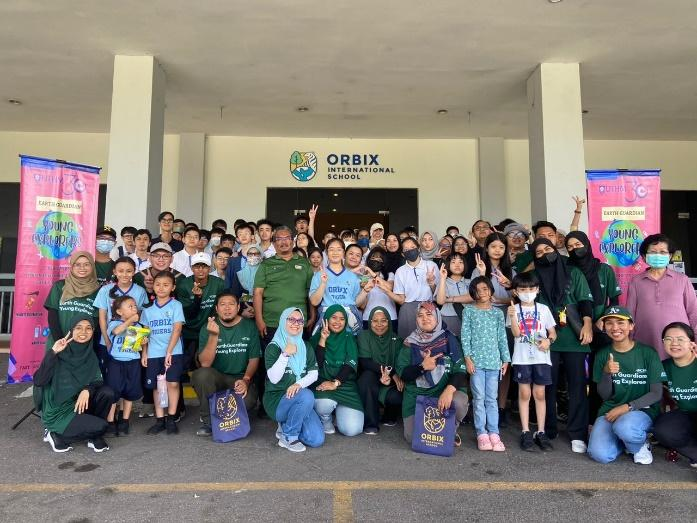
Another flagship initiative is Earth Guardian Young Explorer (EGYE), an experiential environmental education program targeted at school-level learners. EGYE introduces students to hands-on environmental monitoring, biodiversity assessment, and ecosystem observation, encouraging curiosity, critical thinking, and early environmental stewardship. The program has been implemented in collaboration with Orbix International School, where students engage directly in real-world environmental activities and scientific exploration beyond the classroom.
Through initiatives such as OPSENET and EGYE, environmental education becomes more than academic learning it becomes a pathway for capacity building, career exposure, and long-term environmental governance. By nurturing informed, skilled, and responsible individuals from an early stage, environmental education helps ensure that future development is supported by people who understand both the value of natural systems and the importance of sustaining economic and social well-being.
-Noraini Ruslan 7th January 2026-
Reference: